

10 reasons why (human) creativity will save the day
and why I wrote my new book 'A Creative Compass'

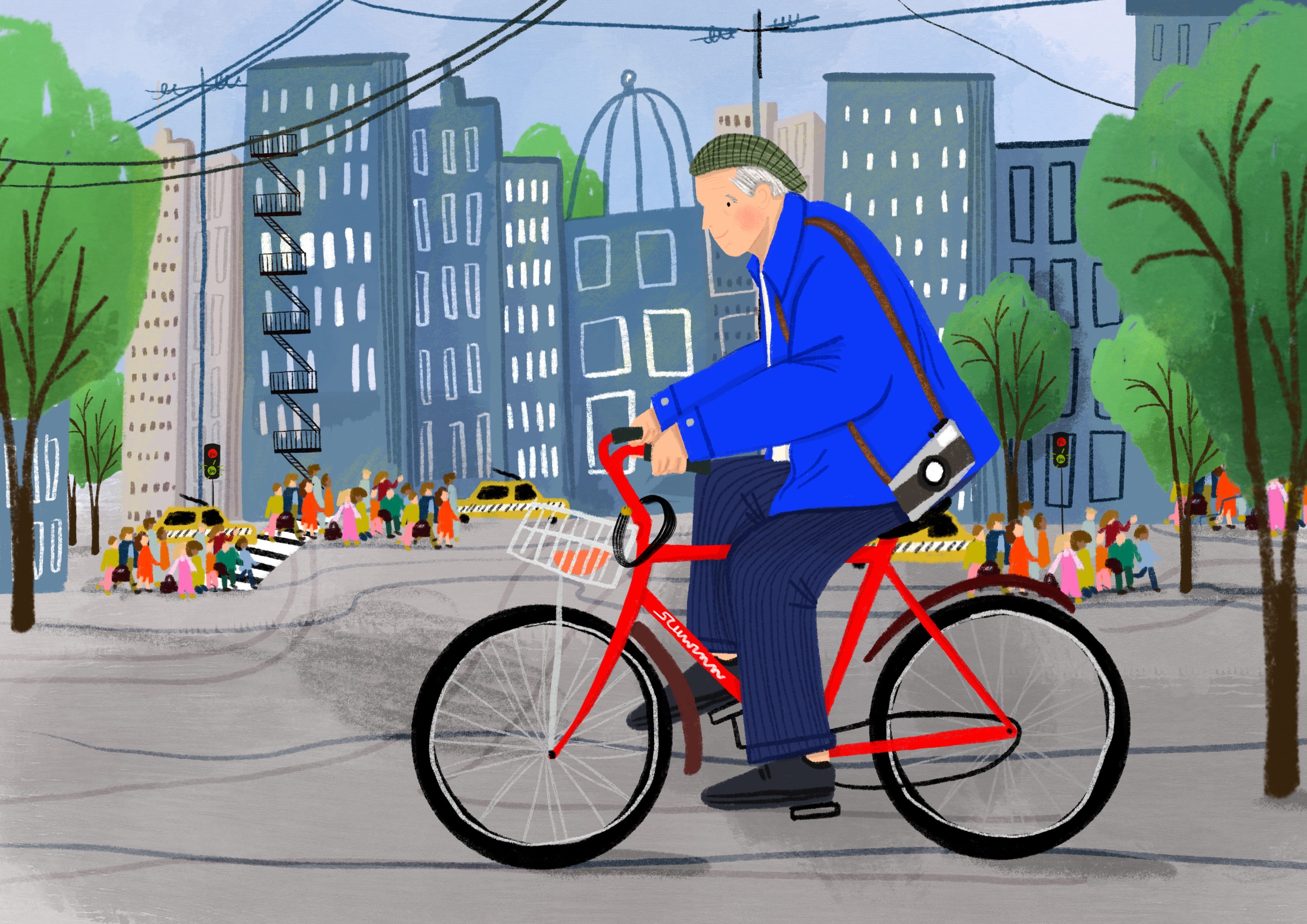

Creative writing teachers will say you’re meant to show your reader all the things you want them to understand about the world you are building instead of telling them. Instead of writing ‘she was anxious’, you might show your character ‘fiddling with the zip on her jumper’.
Controversially, I like a bit of telling in a book (and I also like ignoring rules!). I don’t always need a long, flowery sentence. Tell me something! I like a bit of clear direction. I like it when someone says something simply and lays down the facts. Here you go. Here it is. No beating around the bush.
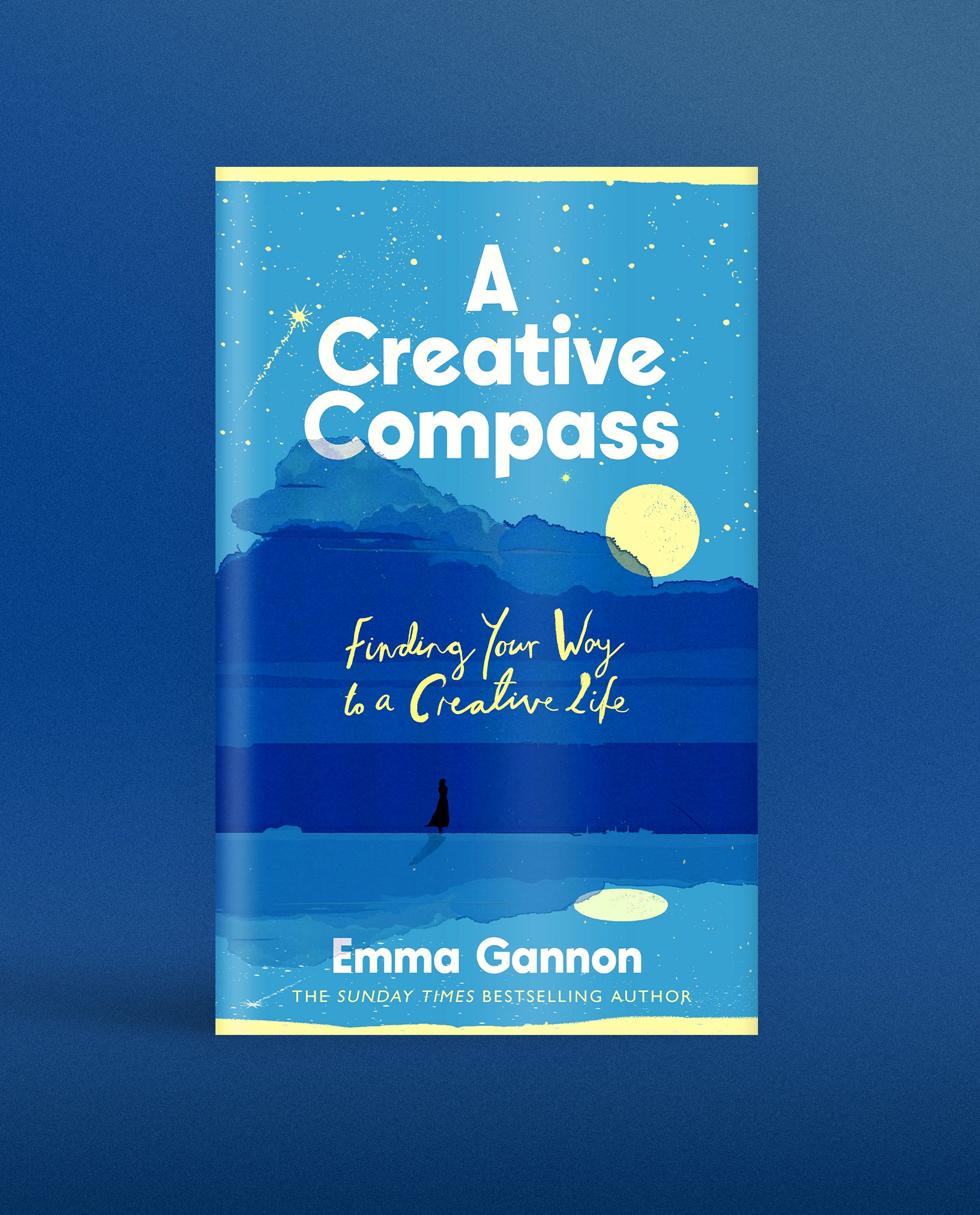
So why is it important to flex our creative compass muscles? I will show you in my book A Creative Compass (out on June 25th!) but also allow me to tell you here, just for a moment.
I’m so bored of ‘content’!
Endless streams of short-form ‘content’ or sloppy mcslop on social media are leaving us feeling creatively undernourished. We live in a consumerist culture and many of us consume far more than we create. We are fed clips, soundbites and attention-grabbing headlines, and we are beginning to realize how much scrolling zaps our time, energy and life-force. Social media is like fast food, and many of us are craving a big, healthy, hearty meal instead that will keep us full up for longer. Many of us would prefer to consume things that relax our brain. A good book. A moving or funny film. A musical that tells a deeper story. An extended mix of a favourite song. When we expand our ideas and creativity, we feel our cup filling again.
We think we don’t have time – but we do!
The average daily screen time in 2025, across all devices, is now a pretty staggering almost 7.5 hours. We’re so glued to our phones that we’re hardly ever bored. We probably have more time than we think, but perhaps we don’t feel we have the space—and that’s different. How do you create more space for yourself?
We’re told art doesn’t matter!
Many of us are told from an early age that a job in the arts isn’t a ‘real job’. Funding for creative departments in schools is often the first to be cut and treated as less important than other subjects. Yet the arts are among the biggest exports all over the world. In 2021, the UK’s arts and creativity sector generated £109 billion. But more than that, the creative industries bring connection, community and feelings of meaning and purpose. When we go through extremely hard times, what do we turn to? Art. Films. Culture. It MATTERS, hugely.
Everyone’s talking about AI!
And human critical thinking matters more than ever. In 2024, a tweet by Joanna Maciejewska went viral: ‘I want AI to do my laundry and dishes so that I can do art and writing, not for AI to do my art and writing so that I can do my laundry and dishes.’ At every book festival I’ve spoken at in the last two years, someone in the audience has shot their hand up and asked whether I’m worried ‘AI is going to steal my job’. It’s a good question. Although I’m not sure AI can ‘steal’ my creative compass. I want art from humans, not machines. I want to connect with the soul behind the work. We care about the fallible, imperfect artist who is prone to messing up and learning from it. We connect to art because someone of flesh and blood made it. Art and creativity are born from pain, struggle, joy, experience, a life lived. This isn’t factory work – this is soul work.
Big studios/publishers won’t take risks. Fine, we’ll do it ourselves!
Many companies are recycling old IP and re-making films rather than investing in new ideas. As cultural commentator Ted Gioia recently wrote:
‘Back in 2000, 80% of movie revenues came from original ideas. But this has now totally flip-flopped. Today 80% of the movie business is built on old ideas – remakes, and spin-offs, and various other brand extensions.’
It feels safer to rehash previous hits than take risks. Ironically, those original hits only existed because someone was brave enough to try something new! We’re constantly told to follow trends if we want to succeed, when we should be encouraged to do the opposite.
Streaming models aren’t good for artists!
Musicians are speaking more openly about their bad deals. Earning 0.003 of a penny per stream does little to sustain most artists. Authors are openly debating traditional publishing versus self-publishing and wanting more creative control – and more of the lion’s share of finances. (The average salary of an author is at an all-time low.) It is both the hardest time and perhaps the most freeing time to be an artist.
We’re happier when we have a no-pressure creative outlet!
Creativity boosts wellbeing and reduces stress. This is something I’ve discussed for years, including in The Multi-Hyphen Method, which celebrates creative side hustles and the freedom to explore creative interests outside work. Whenever I meet someone and ask about their job, if I dig a little bit deeper I usually discover they have a creative hobby, even if they don’t think of it as being creative. We are all more interesting than our job titles. Baking, knitting, doing puzzles, gardening, painting the bathroom tiles. Whatever it is, creativity belongs to us all. You can have a day job and still be creative on the side for fun. It also makes us less anxious, and we live in an extremely anxious age. In Beyond Anxiety, Dr Martha Beck confirms an interesting finding: ‘the brain can’t be both creative and anxious at the same time’.
We yearn for community!
And shared creative interests bring people together. Many of us long for time away from screens to connect and daydream again. Young people are bringing back zines, collages and fan art. There’s been a rise in digital detox courses, group retreats and even ‘offline clubs’, where people gather in big halls, church-type spaces or pubs to knit, play board games, journal or work on puzzles together. Creativity – alone or in a group – is one of the things that makes us feel better about life in an instant and connected to others. Tangible, offline activities ground us. Thousands have joined my newsletter (here!) where a community has formed in the friendly comment section, away from other social media that encourage the ‘doomscroll.’
There are fewer gatekeepers!
Now writers can reach people directly through subscription models and own their work and IP behind paywalls. Creators and writers can serve and build their own communities, with fewer middlemen. We can work with amazing freelancers. Large corporations will always want things faster for cheaper—which is how ‘enshittification’ happens (Cory Doctorow’s word for the way products worsen over time as they grow in popularity and get watered down). By ring-fencing our safe spaces – whether it’s a cafe, a newsletter, a blog, a forum, or simply our kitchen table – we can still use community to encourage slower living, collective thinking, big visions and regular (or spontaneous!) creativity. We can do it together.
Creation is the opposite of destruction!
In a world of ongoing war, destruction, greed and violence, we must remember the value of making new things. When we create, we bring new ideas into a challenging world, and we can genuinely make it a better place. We are making a contribution. When things are being destroyed, we must remember the antidote is to create. To come up with new ideas and work on new inventions. This is how we change the world.
We need this book, A Creative Compass!
Because we expand our lives when we steer ourselves towards creativity. When we follow our inner creative voice, our lives become braver, bigger, more joyful and more abundant. I believe we are here ‘to love and to create’, in the words of Sue Monk Kidd. But in a world of constant distractions, we risk losing the ability to navigate our own path. It’s time to get back on track and put creativity and joy back in the centre. <3
Thank you for this, Emma. I love what you say here.
Yes - when I write, that period of letting my mind run wild and free, makes such a difference to how I feel for the rest of the day.
Am looking forward to reading more in your book!
This is encouraging, thank you